
To get rid of cockroaches in a Toronto apartment, deep clean behind appliances to remove hiding spots, then apply cockroach gel bait inside cabinet hinges, behind the fridge, and under the stove. Avoid aerosol sprays because they scatter colonies and reduce bait effectiveness. Use boric acid dust along baseboards, seal plumbing and wall gaps with silicone caulk, and monitor activity using sticky traps. Most moderate infestations improve within 2–4 weeks with consistent treatment.
Finding cockroaches in your apartment is stressful, especially when you keep your kitchen clean and still see roaches at night. In Toronto apartment buildings, cockroach infestations are extremely common because units share plumbing lines, electrical conduits, wall voids, garbage chutes, and utility shafts. That means cockroaches often travel between apartments even when only one unit has poor sanitation.
German cockroaches are the most common species found in Toronto apartments, particularly in older high-rises and rental buildings. These pests reproduce rapidly, hide in tiny cracks, and survive inside warm appliance areas that tenants rarely inspect.
At Pest Removal Toronto, our technicians treat apartment cockroach infestations across Scarborough and Downtown Toronto every week. The most successful treatments always follow the same process: identify the infestation, remove harbourage areas, deploy targeted bait, seal entry points, and monitor progress carefully
This guide covers the complete process step by step.
Table of Contents
Why Cockroaches Are Common in Toronto Apartments
Apartment buildings create the perfect environment for cockroach infestations because units are physically connected through hidden structural pathways.
Older Toronto apartment buildings are especially vulnerable due to:
- aging plumbing systems
- shared utility chases
- steam heating pipe gaps
- garbage chute systems
- basement moisture problems
- cracked caulking and deteriorating walls
Even spotless apartments can become infested when neighbouring units contain active colonies.
German cockroaches spread particularly fast in high-density apartment buildings because they reproduce rapidly and travel through electrical outlets, plumbing penetrations, and shared wall cavities.
Types of Cockroaches Found in Toronto Apartments
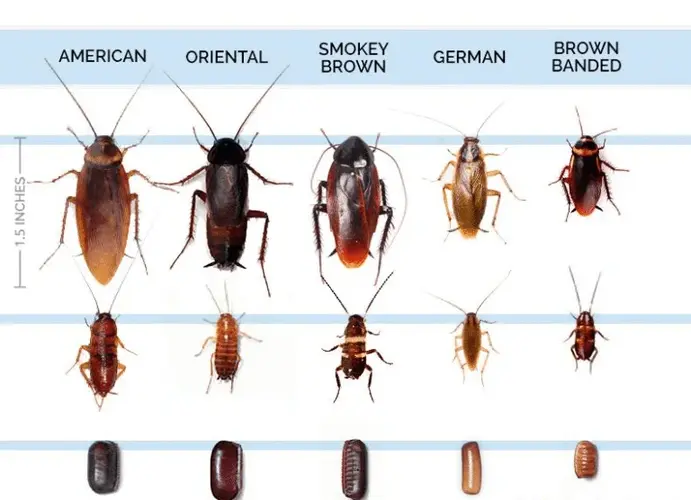
German Cockroach
- Light brown with two dark stripes
- 12–15 mm long
- Found in kitchens and bathrooms
- Hides inside appliances and cabinets
- Reproduces extremely quickly
This is the most aggressive and difficult apartment species to eliminate.
American Cockroach
- Large reddish-brown cockroach
- Usually found in basements and utility rooms
- Often enters through sewer systems and drains
Oriental Cockroach
- Dark brown or black
- Prefers damp basements and floor drains
- Common in older buildings with moisture problems
Asian Cockroach
- Similar to German cockroaches but attracted to light
- Usually enters from outside through windows and balconies
Signs of a Cockroach Infestation
Cockroaches are nocturnal, so infestations often become severe before tenants notice them.
Droppings: German cockroach droppings resemble black pepper or coffee grounds around cabinet corners, appliances, and baseboards.
Egg Cases: Brown capsule-shaped egg casings hidden behind appliances or inside cabinets indicate active reproduction.
Musty Odour: A strong oily smell usually signals a large infestation.
Smear Marks: Dark streaks along walls or baseboards appear in heavy traffic areas.
Daytime Sightings: Seeing cockroaches during daylight usually means the infestation is overcrowded and severe.
Step 1: Deep Clean and Eliminate Harbourage
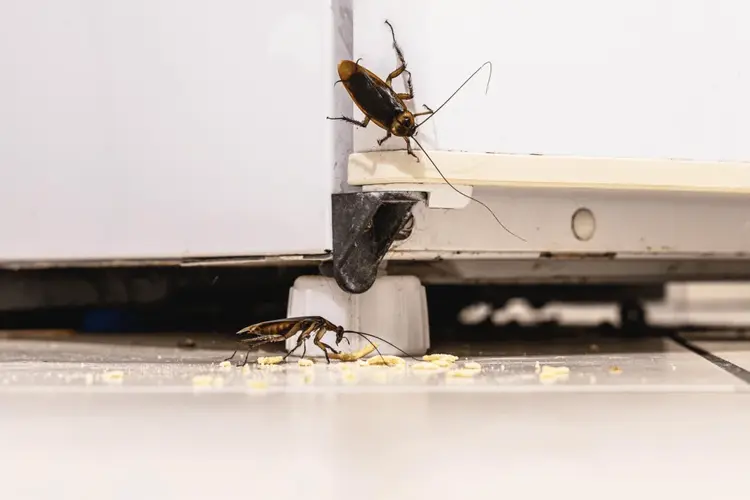
Cleaning alone will not eliminate cockroaches, but it removes the conditions that allow colonies to grow.
Pull Out Appliances
Clean behind:
- refrigerators
- stoves
- microwaves
- dishwashers
- toaster ovens
Grease buildup behind appliances strongly attracts cockroaches.
Remove Clutter
Cardboard boxes, paper bags, and under-sink clutter create ideal hiding spots.
Replace cardboard storage with sealed plastic containers.
Fix Moisture Problems
Cockroaches need water more urgently than food.
Repair:
- leaking pipes
- dripping faucets
- sink condensation
- slow drains
Dry all under-sink areas thoroughly.
Step 2: Deploy Gel Bait in High-Activity Zones
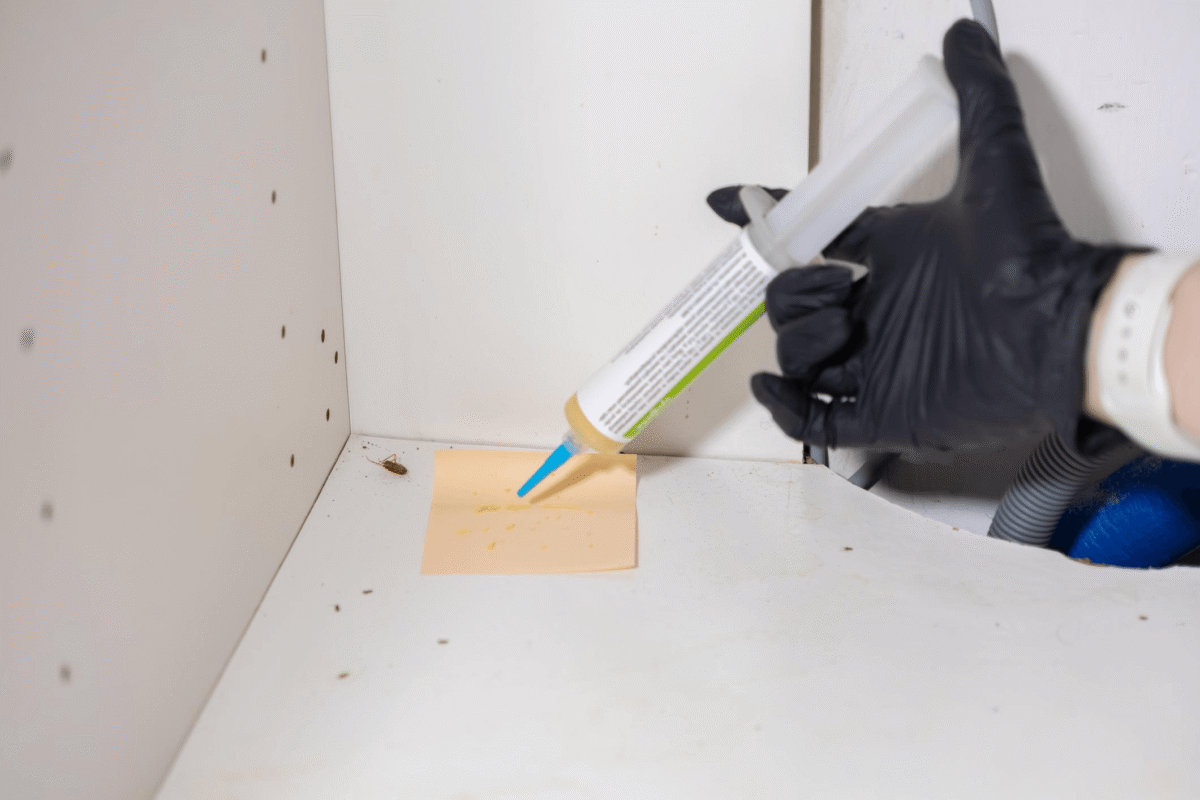
Gel bait is the most effective apartment cockroach treatment available.
Unlike sprays, bait spreads through the colony because poisoned cockroaches transfer toxins to others through contact and droppings.
Best Bait Placement Areas
- cabinet hinges
- behind fridge motors
- under stoves
- around pipe penetrations
- behind bathroom vanities
- inside electrical outlet boxes
- beneath sink edges
How to Apply Gel Bait Properly
- use pea-sized dots only
- place in corners and cracks
- replace dried bait every 2 weeks
- avoid cleaning directly around bait stations
Important Rule:
Stop using aerosol sprays once bait is deployed. Sprays repel cockroaches away from bait and scatter colonies deeper into walls.
Step 3: Apply Boric Acid and Diatomaceous Earth
Boric Acid
Apply a very thin dust layer:
- along baseboards
- under appliances
- around plumbing penetrations
- inside inaccessible wall voids
Too much powder reduces effectiveness because cockroaches avoid heavy deposits.
Diatomaceous Earth
Food-grade diatomaceous earth damages cockroach exoskeletons and causes dehydration.
It is safer around pets and children than chemical insecticides.
Reapply after mopping or moisture exposure.
Step 4: Seal Entry Points and Shared Wall Gaps
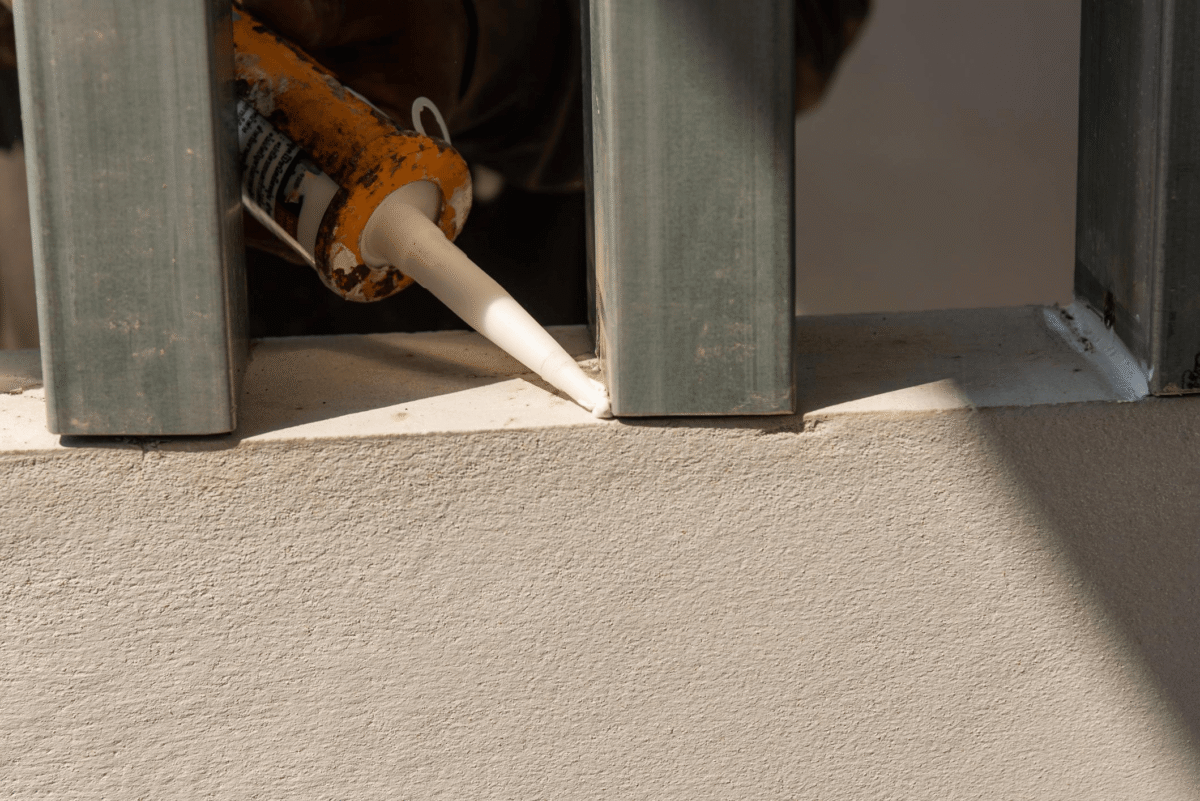
Cockroaches travel through hidden structural openings between apartments.
Seal Pipe Gaps
Use silicone caulk around:
- kitchen plumbing
- bathroom drains
- heating pipe openings
Seal Baseboards: Apply caulk where walls meet floors, especially behind appliances.
Install Outlet Gaskets: Foam outlet gaskets help block wall-void movement through electrical outlets.
Seal Cabinet Gaps: The space beneath kitchen cabinets is one of the most common German cockroach harbourage zones.
Step 5: Monitor Progress with Sticky Traps
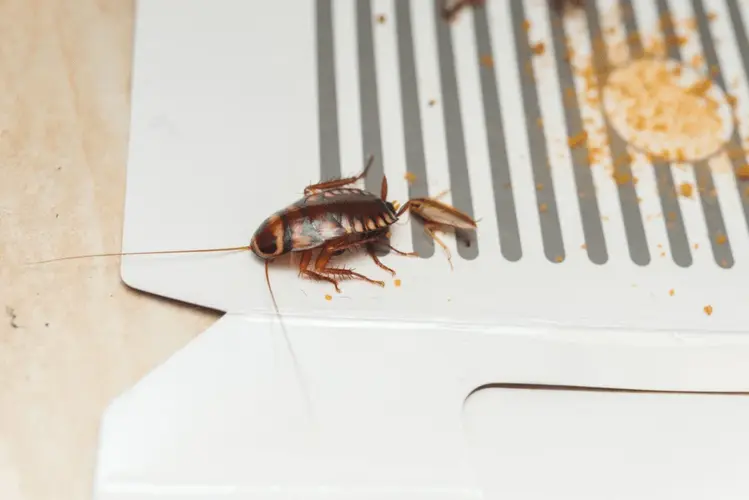
Sticky traps help track infestation levels and identify active zones.
Best Trap Locations
- under sinks
- behind refrigerators
- near stoves
- behind toilets
- beside garbage bins
- inside cabinet corners
Trap counts should decline steadily after treatment begins.
If activity remains high after two weeks, neighbouring units may still be infested.
Common Cockroach Treatment Mistakes That Make Infestations Worse
Using Aerosol Sprays Everywhere
- Sprays scatter cockroaches into deeper wall voids and neighbouring apartments
Applying Too Much Boric Acid
- Heavy powder lines repel cockroaches instead of killing them.
Placing Bait in Open Areas
- Bait dries quickly in exposed spaces and becomes ineffective.
Throwing Away Bait Too Soon
- Increased activity during the first week is normal and often means the bait is working.
Keeping Cardboard Boxes Indoors
- Cockroaches breed inside cardboard and feed on glue materials.
Hidden Cockroach Hotspots in Toronto Apartments
Cockroaches rarely stay in open areas. Most infestations grow inside warm, dark, humid spaces that tenants rarely inspect.
Behind refrigerator motor housings
The back of the fridge is one of the warmest areas in the apartment and commonly contains grease residue, condensation, and shelter, ideal for German cockroach colonies.
Inside cabinet hinges
Cockroaches cluster inside hinge cavities because they provide warmth, darkness, and protection from disturbance. This is one of the best bait placement locations.
Under dishwashers and stoves
Food debris, moisture, and heat make these areas major harbourage zones. Severe infestations often spread underneath appliance insulation.
Around radiator pipe openings
Older Toronto apartment buildings frequently have gaps around steam pipes and heating lines. These openings connect directly to shared wall cavities where cockroaches travel between units.
Behind bathroom vanities
Bathroom sink cabinets contain moisture, pipe penetrations, and low airflow, all conditions cockroaches prefer.
Garbage chute walls and utility rooms
Apartments near garbage chutes often experience recurring infestations because cockroaches feed on organic waste and travel through utility corridors.
Under vinyl flooring edges
Loose flooring corners trap crumbs and moisture while providing hidden shelter near kitchen baseboards.
Cockroach Treatment Timeline: What to Expect
One of the most common questions from tenants is how long a cockroach treatment takes to work. When professional-grade gel baiting and proper structural sealing are combined, you will notice a significant improvement within the very first week. Instead of waiting around for a daily countdown, it is best to understand the recovery process through these key phases:
Initial Setup & Attraction: The process begins with deep cleaning to cut off competing food sources and expose hidden harbourage areas. Once the gel bait is strategically applied, foraging cockroaches are drawn to it almost immediately.
The Temporary Activity Spike: Do not panic if you temporarily notice more cockroaches running around a few days into the treatment. This is a completely normal sign that the bait is working. The active ingredients disrupt their nervous systems, forcing poisoned cockroaches out of their hidden wall cavities and appliances before they die.
The Drop-Off Phase: Following the initial spike, pest activity drops sharply. You will notice a drastic decline in live sightings around the kitchen, fewer roaches caught on sticky monitoring traps, and a slowdown in bait consumption.
Complete Elimination: If proper sanitation, baiting, and sealing are maintained consistently, most moderate apartment infestations are successfully brought under complete control within 2 to 4 weeks.
⚠️ Note for Severe Infestations: If cockroach activity remains consistently high after two weeks of proper baiting, the infestation is likely severe. This usually means the pests have penetrated deeper into shared building infrastructure, utility shafts, or neighbouring apartments, requiring a coordinated, building-wide professional treatment.
Signs You Need Professional Cockroach Treatment
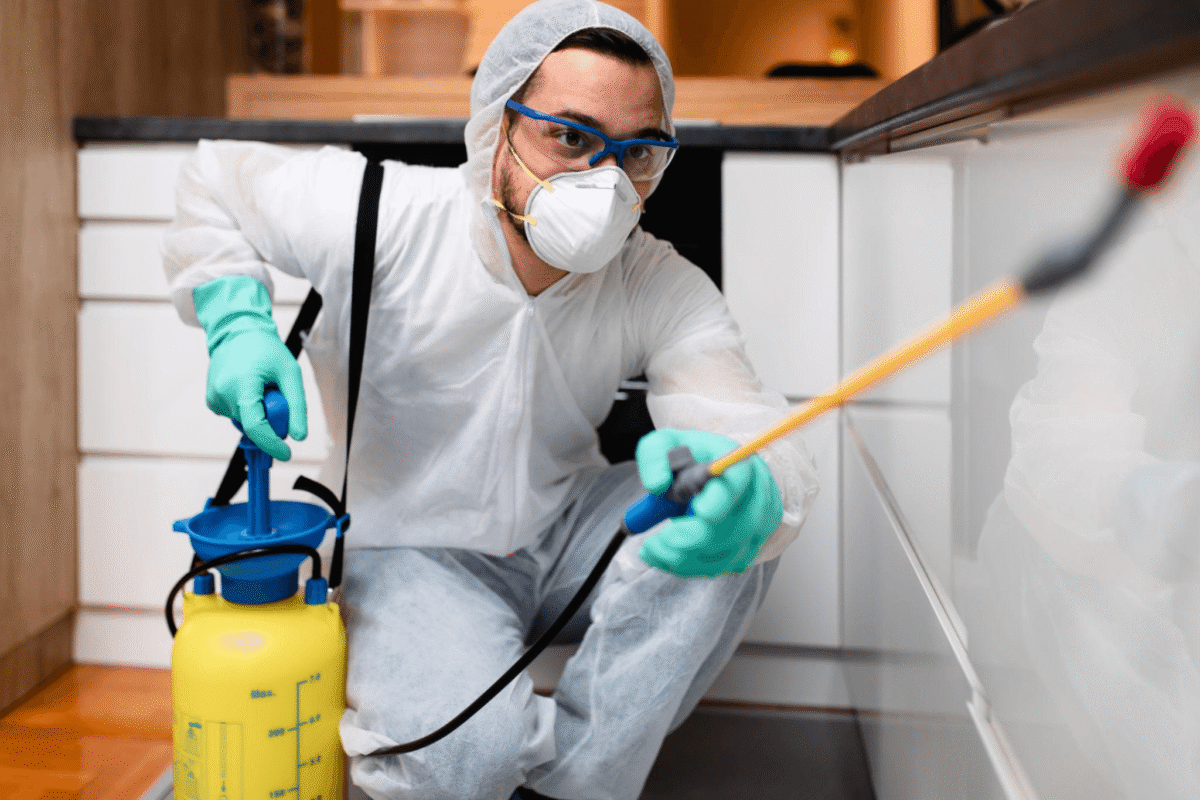
DIY treatment handles the majority of single-unit German cockroach infestations when applied consistently. Contact a licensed professional from Pest Removal Toronto if any of the following apply.
Cockroaches visible during the day: Cockroaches avoid light naturally. Daytime activity usually means the colony is overcrowded and expanding aggressively.
Egg cases appearing in multiple rooms: Finding oothecae in bedrooms, living rooms, and bathrooms suggests a spreading infestation throughout the apartment.
Strong musty odour: Heavy infestations produce an oily smell caused by cockroach pheromones and waste buildup.
Recurring infestations after baiting: If cockroach activity repeatedly returns after treatment, neighbouring units or shared wall voids are likely still active.
Cockroaches inside electronics: German cockroaches commonly hide inside microwaves, gaming consoles, routers, and power strips because of heat generation.
Multiple apartment units affected: When neighbouring tenants also report activity, building-wide treatment is usually required for lasting control.
Weekly Cockroach Prevention Checklist
- Empty garbage nightly
- Never leave dirty dishes overnight
- Vacuum behind appliances weekly
- Store food in airtight containers
- Discard cardboard immediately
- Keep sinks dry overnight
- Refresh bait every 2–3 months
- Seal new cracks quickly
- Monitor sticky traps weekly
Consistent prevention is essential in apartment buildings where neighbouring units may still contain active infestations.
Final Thoughts
Cockroach infestations in Toronto apartments rarely disappear without a structured treatment plan. The most effective approach combines sanitation, targeted gel bait, moisture reduction, sealing entry points, and ongoing monitoring.
Start treatment immediately at the first signs of activity. A small infestation is far easier and cheaper to eliminate than a severe building-wide problem.
If the infestation spreads beyond your unit or keeps returning despite treatment, professional extermination is usually necessary for permanent control.
Why do I have cockroaches in my clean apartment?
Cockroaches often travel between units through shared walls, plumbing, and electrical conduits. Even clean apartments can become infested from neighbouring units.
What is the fastest way to eliminate cockroaches?
Gel bait combined with boric acid, sealing gaps, and moisture control produces the fastest results..
How long does cockroach treatment take?
Most moderate infestations improve within 2–4 weeks when baiting and sealing are done properly
Are cockroaches dangerous?
Yes. Cockroaches spread bacteria and trigger allergies and asthma symptoms through droppings and shed skins.