
I’ve been in a lot of homes over the past 15 years: basements in Scarborough, bungalows in Etobicoke, century-old row houses in East York. And I can tell you this without hesitation: flea infestations are one of the most frustrating pest problems homeowners face. Not because they’re the most dangerous, but because they’re stubborn, they multiply fast, and most people are fighting them the wrong way.
If you’ve found yourself Googling “how to get rid of fleas in your house” at 11 pm while your dog is scratching himself raw, this guide is for you. I’m going to walk you through exactly what I tell my clients when I show up at their door, from identification to full elimination, using the same four-step process I’ve refined over hundreds of jobs across Toronto and the surrounding GTA. If you need help dealing with a persistent infestation, you can also explore our professional flea control in Toronto services.
Signs of a Flea Infestation in Your Home

Before choosing a treatment, confirm that fleas are the likely cause of the problem. Flea bites can resemble bites from other insects, so skin irritation alone is not enough to identify an infestation.
Look for these common signs:
- Frequent scratching in pets: Dogs and cats may scratch, bite, or groom themselves excessively, particularly around the neck, lower back, and base of the tail.
- Flea dirt: Tiny, dark, pepper-like particles in your pet’s fur or bedding may be flea droppings. A veterinarian can help confirm whether fleas are present.
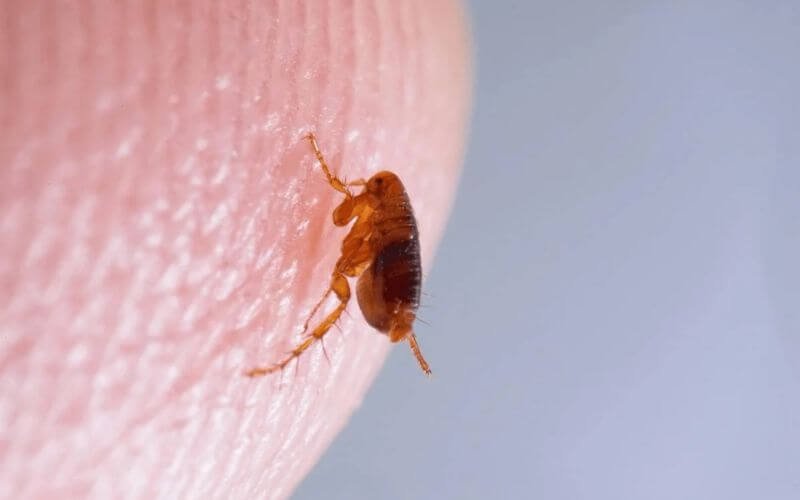
- Visible jumping insects: Adult fleas are small, dark brown or reddish-brown insects that move quickly through fur and can jump onto nearby surfaces.
- Small, itchy bites: Flea bites can appear as itchy red spots, often around the ankles and lower legs. However, bites alone do not confirm fleas.
- Skin irritation or hair loss in pets: Persistent scratching can cause inflammation and hair loss and may require veterinary attention.
How to Check for Fleas
Start by inspecting your pet’s fur, particularly around the tail and neck, if your pet tolerates examination. Check pet beds, blankets, carpets, and upholstered furniture where your animal spends the most time.
A fine-toothed flea comb can help identify adult fleas and flea dirt. If you find dark particles, place some on a damp white paper towel. Flea dirt may leave a reddish-brown stain because it contains digested blood, although this test alone is not definitive.
You can also wear white socks and walk slowly through areas where fleas are suspected. Fleas may jump onto the socks, making them easier to see.
If you cannot identify the insect confidently, avoid applying pesticides until you have a clearer idea of what you are dealing with
Can You Have Fleas Without Pets?
Yes. Although pets are a common source, fleas can enter a property through contact with infested animals, wildlife, or previously infested environments. Fleas may also emerge in a vacant property after people or pets return. If you have no pets but continue finding fleas, investigate areas where animals may have rested or gained access to the building. A professional inspection may help identify the source.
Understanding the Flea Life Cycle
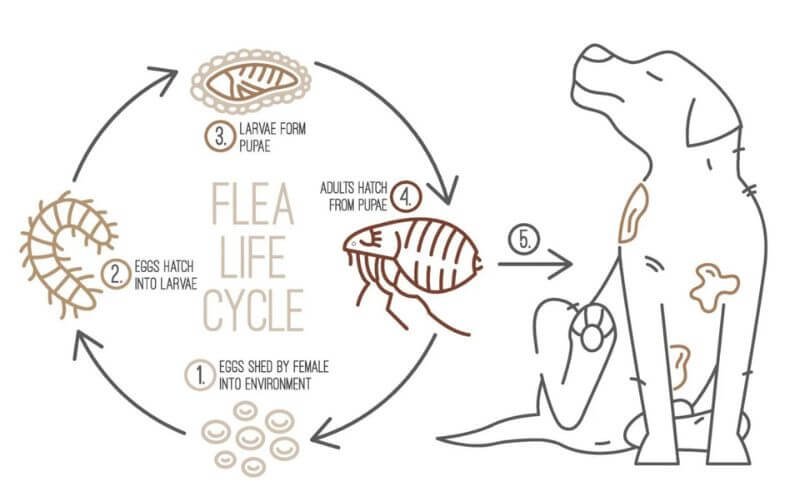
Understanding the flea life cycle explains why an infestation may continue even after you remove the adult fleas you can see.
Fleas develop through four stages: egg, larva, pupa, and adult. Different control methods affect different stages, so eliminating an infestation generally requires a combination of cleaning, appropriate treatment, and follow-up monitoring.
1. Egg Stage
Adult female fleas lay eggs on their hosts. The eggs can fall into carpets, pet bedding, upholstery, and other areas where animals rest.
Because the eggs are small and difficult to see, an infestation can spread through areas your pet regularly visits without being immediately obvious.
2. Larva Stage
Flea larvae develop in protected areas such as carpet fibres and spaces beneath furniture. They feed on organic debris, including flea dirt, and generally avoid light.
Regular vacuuming and cleaning help remove material from these areas and reduce suitable conditions for flea development.
3. Pupa Stage
Flea pupae develop inside protective cocoons. These cocoons can make this stage more difficult to control than exposed adult fleas.
Adult fleas may emerge when conditions indicate that a potential host is nearby. As a result, you may notice fleas after an initial cleaning or treatment even when the number of fleas has decreased.
4. Adult Stage
Adult fleas feed on blood and reproduce when suitable hosts are available. Pets can therefore continue to introduce flea eggs into the home if their infestation is not addressed.
The key takeaway: Effective flea control must address the pet, the indoor environment, and any continuing source of reinfestation. Treating only the visible adult fleas is unlikely to resolve an established problem.
How to Get Rid of Fleas in Your House
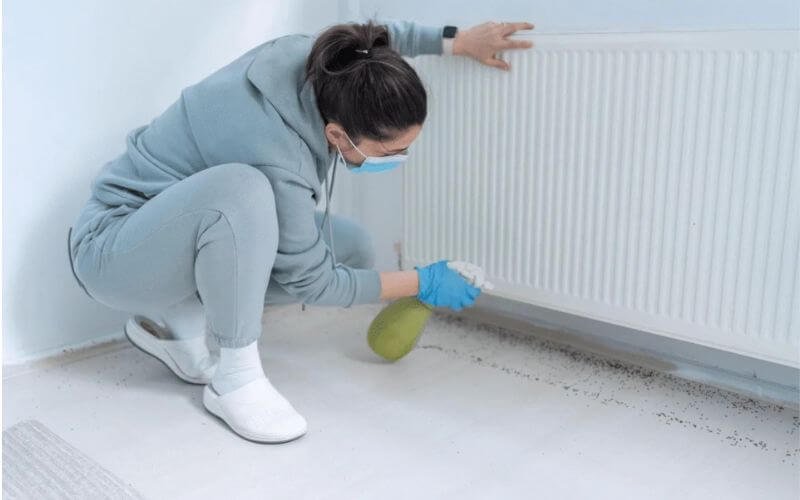
A practical flea-control plan combines pet care, thorough cleaning, appropriate treatment, and prevention. The precise approach depends on the severity of the infestation, the affected areas, and whether pets or wildlife are contributing to the problem.
Step 1: Address Fleas on Your Pets
If a dog or cat has fleas, consult a veterinarian about a suitable treatment. The right option depends on the animal’s species, age, weight, health, and any other treatments it receives.
Possible options include veterinarian-recommended oral or topical products, as well as other treatments appropriate for the animal. A flea comb can also help remove adult fleas and flea dirt.
Keep these precautions in mind:
- Use only products labelled for the specific animal and follow their directions.
- Never assume a product intended for dogs is safe for cats.
- Do not combine multiple flea treatments without veterinary guidance.
- Check the product’s minimum age and weight requirements.
- Ask a veterinarian before treating animals that are unwell, pregnant, nursing, or receiving other medication.
If you have several pets, ask your veterinarian how to manage flea prevention for all susceptible animals. Treating only one affected pet may allow the infestation to continue.
Step 2: Vacuum and Clean Affected Areas
Vacuuming is an important part of flea control because it helps remove adult fleas, eggs, larvae, and flea dirt from the environment.
Concentrate on:
- Carpets and area rugs.
- Upholstered furniture and cushion seams.
- Areas beneath beds, sofas and other furniture.
- Floor edges, cracks and crevices.
- Pet sleeping areas and the surrounding floor.
- Basements and other areas where pets regularly spend time.
Pay particular attention to places where pets rest, as flea eggs and immature stages may accumulate there.
During an active infestation, vacuuming daily is a useful starting point. Continue according to the progress of the infestation and any professional treatment plan.
If your vacuum uses a disposable bag, remove it carefully and dispose of it in a sealed bag. Empty bagless canisters carefully according to the manufacturer’s instructions.
Wash Pet Bedding and Household Fabrics
Wash pet bedding, blankets, and other washable fabrics that animals use. Follow the care instructions for each item and use a suitable wash and drying cycle.
Clean other washable items that may have come into contact with affected pets. If bedding is heavily infested or cannot be cleaned effectively, consider replacing it.
For upholstery, rugs, and carpets that need additional cleaning, check the material’s care instructions before using steam or other cleaning methods.
Steam cleaning may help in suitable circumstances, but it should not be treated as a guaranteed replacement for a complete flea-control plan.
Step 3: Consider Appropriate Indoor Flea Treatment
Cleaning may reduce flea numbers substantially, but an established infestation may require an additional treatment.
Before purchasing or applying a pesticide, identify the product’s approved use and read the entire label. In Canada, look for the Pest Control Products (PCP) registration number and verify that the product is registered for the intended use.
Some products contain an insect growth regulator (IGR), such as methoprene or pyriproxyfen. These ingredients interfere with the development of immature fleas, while other ingredients may target adult fleas. The specific effects depend on the product formulation.
Important precautions include:
- Use only products approved for the intended indoor or outdoor application.
- Do not spray every surface simply because fleas are present.
- Follow the label’s application, ventilation, re-entry and cleaning instructions.
- Keep children and pets away from treated areas as directed on the label.
- Never mix pesticides or repeat applications more frequently than permitted.
- Ask a licensed pest control professional for advice if you are uncertain which treatment is appropriate.
Some products intended for use on animals are not suitable for home surfaces, and household products must not automatically be assumed safe for direct application to pets.
If you have cats, pay particular attention to product warnings. Certain dog flea treatments containing permethrin can be highly toxic to cats. Follow the label and seek veterinary advice when necessary.
Step 4: Check Outdoor Areas and Possible Sources
If your pet spends time outdoors, inspect the areas where it rests or plays. Shaded, sheltered locations may be more relevant than exposed areas of the lawn.
Practical measures include:
- Mowing the lawn and removing accumulated leaves.
- Keeping outdoor pet bedding clean.
- Reducing debris near entrances and sheltered areas.
- Repairing damaged screens and gaps that may allow unwanted animals inside.
- Investigating signs of wildlife activity near the house.
Avoid automatically applying insecticides across the entire yard. Outdoor treatment should be based on the suspected source, the affected area, and the directions of an appropriate registered product.
If wildlife appears to be entering your attic, crawlspace, or another enclosed area, address the access point and seek appropriate wildlife-control advice. Do not handle wild animals yourself.
Natural Flea Remedies: What Helps and What Does Not?
Many homeowners look for ways to control fleas without relying entirely on pesticides. Some non-chemical methods are useful parts of a broader plan, but not every popular home remedy has reliable evidence supporting its effectiveness.
Vacuuming and Washing
These are practical first steps because they physically remove fleas and flea debris from affected areas. They also help keep pet sleeping areas clean.
However, cleaning may not resolve every established infestation on its own.
Diatomaceous Earth
Diatomaceous earth can affect insects through physical action, but its effectiveness depends on the product and how it is used. Dust can also become airborne.
Avoid inhaling the dust, keep it away from children and pets during application, and follow all product instructions. Use only a product suitable for the intended application.
Salt and Baking Soda
Salt and baking soda are frequently promoted as flea remedies, but their effectiveness as standalone treatments is not sufficiently established to recommend them as a reliable way to eliminate an infestation.
Do not rely on these substances instead of an evidence-based control plan.
Essential Oils
Essential oils should not be assumed to be safe or effective flea treatments. Some oils can be harmful to pets, particularly cats, depending on the substance, concentration, and route of exposure.
Do not apply essential oils to your pet or its bedding as a flea treatment without veterinary advice.
Flea Bombs and Foggers
Foggers may not adequately reach all the cracks, carpeted areas and protected locations where fleas develop. Their effectiveness depends on the product and how well it suits the infestation.
They should not be treated as a guaranteed one-step solution. Some products also carry fire, inhalation, or exposure risks if used incorrectly.
If you are considering a fogger or another pesticide, follow its label exactly. A licensed professional can help determine whether a targeted treatment is more appropriate.
How Long Does It Take to Get Rid of Fleas?
There is no single timeline that applies to every flea infestation. The time needed depends on how widespread the infestation is, whether the pets are being treated appropriately, the environment, and the effectiveness of the control measures.
You may continue seeing occasional adult fleas after the initial cleaning or treatment because protected pupae can survive and emerge later.
To improve your chances of resolving the problem:
- Continue vacuuming affected areas.
- Wash pet bedding regularly.
- Follow the veterinarian’s recommendations for pets.
- Use indoor flea treatments only as directed.
- Monitor whether flea activity is decreasing.
- Arrange follow-up treatment when required by the product label or professional treatment plan.
Do not assume that every newly observed flea means the treatment has failed. Equally, do not dismiss continuing activity indefinitely as normal. If flea numbers are not declining, reassess the identification, treatment approach, and possible sources of reinfestation.
Flea Bites: What to Know
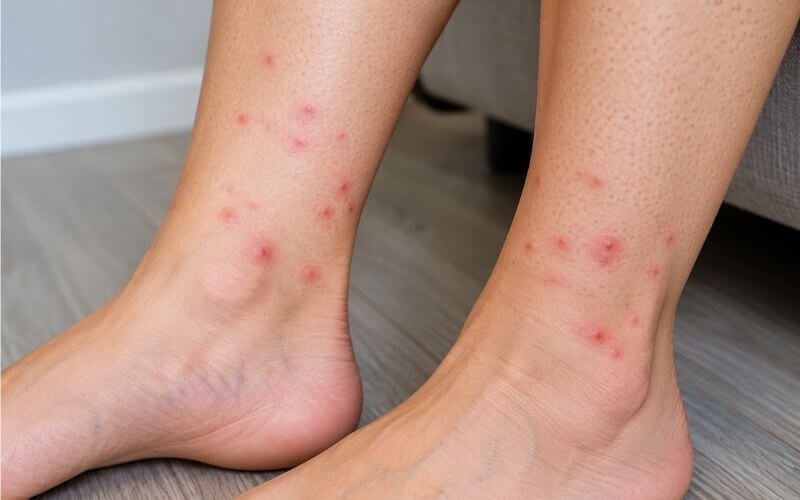
Flea bites commonly appear as small, itchy red spots. They may occur in clusters, often around the ankles and lower legs, but their appearance varies between individuals.
Bites alone cannot reliably distinguish fleas from other biting insects.
For mild irritation, avoid scratching and keep the affected skin clean. Seek advice from a healthcare professional if symptoms are severe, persistent, worsening, or showing signs of infection. Seek urgent medical help if you experience symptoms of a serious allergic reaction.
Pets can also develop allergic skin reactions to flea bites. If your animal has severe itching, inflammation, or hair loss, consult a veterinarian.
Fleas can transmit certain parasites and diseases, although the risk varies by location and circumstances. Effective flea control helps protect the comfort and health of both people and animals.
When to Call a Professional Flea Exterminator in Toronto
Professional flea control may be appropriate when an infestation is difficult to identify, widespread, or persistent despite consistent cleaning and suitable pet care.
Consider contacting a licensed pest control professional if:
- Fleas continue appearing despite a consistent control plan.
- Several rooms or multiple areas of the property are affected.
- You cannot identify the source of the infestation.
- Wildlife or other animals may be contributing to reinfestation.
- You need advice on an appropriate treatment for your property’s surfaces and circumstances.
- You want a professional to assess the infestation and explain the next steps.
A professional inspection can help identify likely flea hotspots, assess contributing factors, and determine an appropriate treatment plan.
How to Prevent Fleas from Returning
Preventing reinfestation is easier when pet care, household cleaning, and property maintenance are handled consistently.
Pet Prevention
- Ask your veterinarian about suitable flea prevention for your pet.
- Check your pet regularly, particularly after contact with other animals.
- Use a flea comb when appropriate.
- Wash pet bedding regularly.
- Follow the recommended schedule for any veterinary-approved preventative.
Home Prevention
- Vacuum carpets, rugs, and upholstered furniture regularly.
- Clean the areas where pets sleep and rest.
- Wash washable pet bedding according to its care instructions.
- Monitor areas where flea activity was previously detected.
- Investigate recurring flea activity instead of repeatedly treating the same area without identifying the cause.
Outdoor Prevention
- Keep lawns maintained and remove accumulated leaves and debris.
- Repair screens and close openings that could allow unwanted animals into the building.
- Keep outdoor pet areas clean.
- Address wildlife access points through appropriate exclusion methods.
In Toronto, these measures can be useful throughout the year. Flea activity is influenced by seasonal and indoor environmental conditions, so prevention should be based on your pet’s circumstances and any ongoing risk.
If flea activity continues despite appropriate cleaning and pet care, professional advice may help you identify the next steps. Visit Pest Removal Toronto to explore pest-control services for homes in Toronto and the GTA.
Frequently Asked Questions
Adult fleas need blood meals to survive and reproduce, but their survival without a host varies with environmental conditions and their life stage. Fleas developing inside protective pupal cocoons may remain in the environment for an extended period before emerging.
Foggers may kill some exposed fleas, but they may not adequately reach every location where fleas and immature stages are present. Effectiveness depends on the specific product, the infestation and correct use.
Look for a sustained reduction in flea activity over time, alongside improvements in your pet's condition and fewer signs of fleas in affected areas.
Some adult fleas may continue to emerge after the initial treatment. If activity remains high or increases, review the identification, pet treatment, cleaning routine and possible sources of reinfestation.
Yes. Fleas can enter through contact with infested animals or previously affected environments. Immature fleas may also remain in protected areas and emerge later.
If fleas are appearing in a home without pets, inspect likely entry points and areas where animals may have been present. Consider professional identification if the source is unclear.
Consider professional help when flea activity persists despite appropriate cleaning and pet care, when multiple areas are affected, or when the source of reinfestation is unclear.
A professional can inspect the property, identify likely hotspots and recommend suitable next steps.