
If you are trying to get rid of mice in your home and nothing seems to be working, you are not alone. I still remember one call I got on a cold January morning from a family in Old Toronto. They had been hearing scratching inside their walls for three weeks, but kept hoping it would stop on its own. By the time I arrived, there were mouse droppings in the kitchen, behind the fridge, inside two cabinets, and along the basement baseboards. What started as one or two mice had become a full mouse infestation, and they had no idea how fast things had escalated.
That family’s situation is not unusual. In my 15 years of doing pest control across Toronto and the Greater Toronto Area, I have been inside hundreds of basements, attics, and crawl spaces, from older semi-detached homes in East York to newer builds in Oakville. I have seen what a small mouse problem looks like at week one, and I have seen what happens when families wait too long.
This guide is everything I would tell a neighbour who just spotted a mouse running across their kitchen floor. No fluff, no upselling, just honest, field, tested advice from someone who has physically been in the tight spots of Canadian homes for a decade and a half.
Why Toronto Homes Are Especially Vulnerable to Mice
This is something I explain to almost every new customer who contacts Pest Removal Toronto. Compared to smaller Canadian cities, the GTA presents a unique set of challenges for homeowners, and it comes down to three things: the age of the housing stock, urban density, and Canada’s harsh winters.
A significant portion of residential homes across Toronto were built between the 1940s and 1970s. These homes have settled foundations, aging brick, and gaps around utility lines that were never properly sealed. I have found mice entering through gaps no wider than a dime, and homes of that era have dozens of such weak spots hiding in plain sight.
Then there is the density factor. In neighbourhoods like the Annex, Cabbagetown, Little Italy, and parts of North York, homes sit close together, garages back onto laneways, and green bins sit within feet of back doors. When one home has a mice infestation, the surrounding properties are immediately at risk. I have treated a home on a street and received calls from three neighbours within two weeks.
Finally, there is the Canadian winter. When temperatures drop below zero across Ontario, and in Toronto, that can happen as early as November, mice stop surviving outdoors and begin actively seeking warmth inside your home. They do not hibernate. They relocate. Every fall at Pest Removal Toronto, our call volume jumps sharply, and it stays elevated right through to March.
Signs You Have a Mouse Infestation (What I Check First)
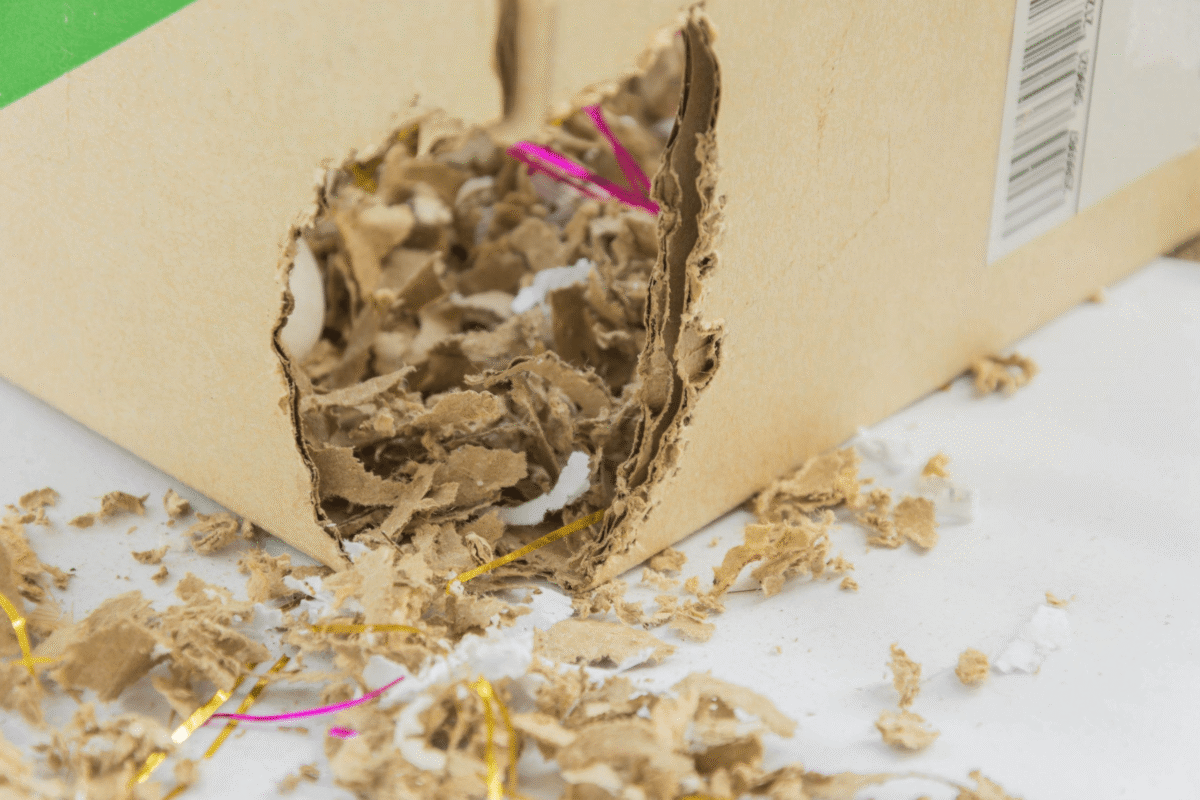
Before I touch a single trap or seal a single gap, I always do a full walkthrough. Here is exactly what I look for, and what you should check today if you suspect a problem.
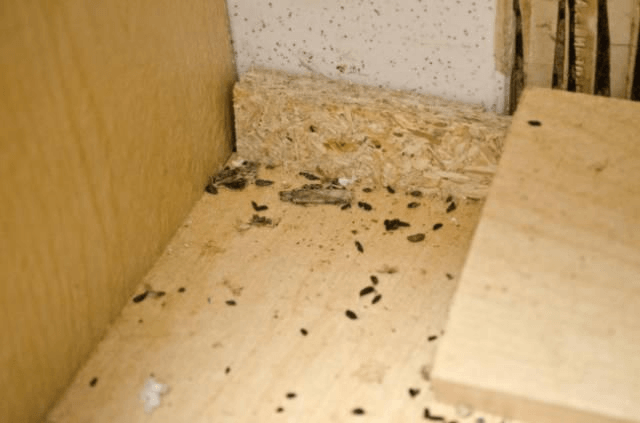
Mouse Droppings
The clearest sign. Mouse droppings look like small dark grains of rice, roughly 3 to 6 millimetres long. I always check behind the stove, under the kitchen sink, along baseboards, and inside lower cabinets. Finding more than a few means the infestation is already established and has likely been going on longer than you realize.
Grease Marks and Rub Trails
Mice have oily fur, and they travel the same routes every single night, along walls, behind appliances, and under counters. Over time, those routes leave dark grease smears on surfaces. I once traced an entire mouse route through a Markham home by following the rub marks along the drywall, from a gap behind the dishwasher to a nest inside the basement ceiling insulation.
Scratching Sounds at Night
Mice are nocturnal. If you are lying in bed and hearing scratching or skittering sounds inside your walls or ceiling, that is not your imagination. That sound typically means mice are active inside your wall voids, ceiling space, or attic, and wherever they are active, they are also leaving droppings and chewing through materials.
Chew Marks and Damaged Packaging
Mice chew constantly, not because they are hungry, but because their teeth never stop growing. I have found chewed electrical wiring in Vaughan homes that was a genuine fire risk. Check the corners of cereal boxes, dry goods bags, and any cardboard stored in your basement or pantry.
Nesting Material
Shredded paper, insulation fibre, fabric scraps, mice pull these together to build nests in hidden, warm spots. The most common nesting locations I find are behind appliances, inside wall insulation, and tucked into corners of cluttered storage rooms.
Step-by-Step: How to Get Rid of Mice in Your House Fast
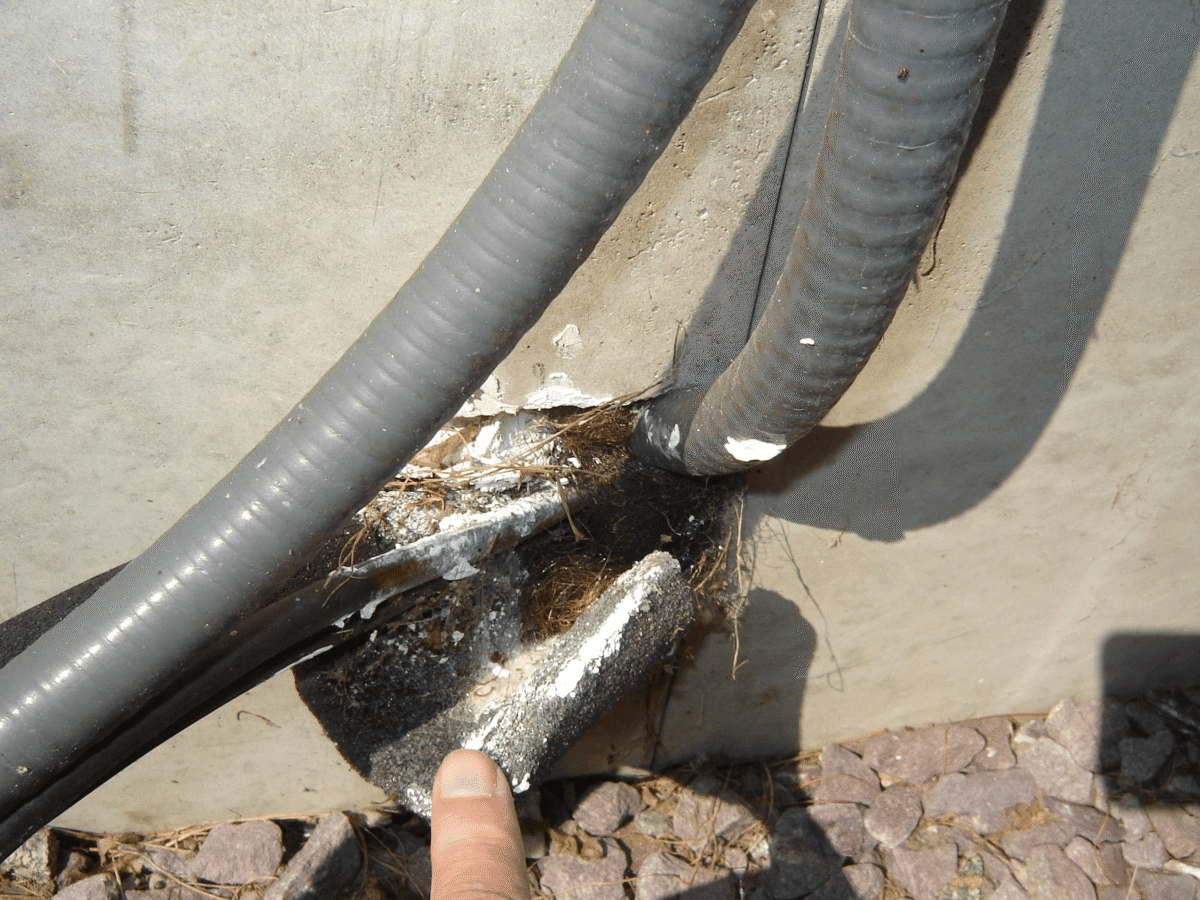
This is the practical core of everything I know, tested over 15 years of mouse removal across Canadian homes. Follow these steps for the fastest results.
Step 1: Set Snap Traps Tonight — Placement Is Everything
The fastest way to start reducing your mouse population immediately is to use snap traps, placed correctly. Most homeowners place traps in the middle of a room, which is almost completely useless.
Mice run along walls. They hug the baseboard like it is a motorway. Set your traps perpendicular to the wall, with the trigger end facing the wall surface, so the mouse runs directly into the mechanism. Use peanut butter, not cheese. Peanut butter has a powerful smell, high protein content, and cannot be licked off without triggering the trap. Chocolate and bacon bits are also effective alternatives.
For snap trap options, the Victor Easy Set and Snap-E are both widely available at Canadian hardware stores and both perform reliably in field conditions. If you prefer a cleaner option, the Victor Electronic Trap is humane and effective.
For a typical Canadian home with confirmed activity, I recommend setting a minimum of 8 to 10 traps on the first night, concentrated in the kitchen, behind appliances, and in the basement or utility room where you have seen the most signs.
Step 2: Seal Entry Points on the Exterior First
Here is a rule I have followed for 15 years: never seal interior holes while mice are still active inside the home. You will trap mice inside your walls, and the smell alone will be a problem for weeks. Trap first. Seal the exterior next. Then address the interior once activity has stopped.
On the exterior of your home, check for:
- Gaps around gas lines, plumbing pipes, and electrical conduit where they enter the foundation
- Foundation cracks are especially common in older Canadian homes across Scarborough and East York
- Gaps under garage doors and around exterior door frames
- Roof vents and soffit vents without proper steel mesh covers
- Any point where siding meets soffit or foundation meets landscaping
For small gaps, pack tightly with steel wool and seal with exterior caulk. Mice physically cannot chew through steel wool. For larger openings, use steel mesh combined with spray foam, then caulk over the top. We use this same professional method on every residential job across the GTA.
Step 3: Cut Off Every Food and Water Source
I have walked into spotless-looking Canadian homes that had serious mouse problems, and the culprit was always one of a handful of things:
- Dry rice or flour stored in original paper packaging
- A pet food bowl left on the floor overnight
- An indoor compost bin with a loosely fitted lid
- Crumbs and grease buildup under the stove that had not been cleaned in months
Mice can survive on as little as 3 grams of food per day, almost nothing. Move all dry goods into sealed airtight containers made from glass or heavy-duty plastic. Pick up pet food bowls every evening. Secure your kitchen compost. Clean under your stove and refrigerator more regularly than feels necessary, because in most Canadian kitchens, that area is a reliable food source for rodents.
Step 4: Place Bait Stations Around the Exterior Perimeter
For moderate to severe infestations, I add tamper-proof bait stations around the outside perimeter of the home. These thick plastic stations hold rodenticide bait blocks in a locked chamber, completely inaccessible to children and pets without a key.
Place them along the foundation, near confirmed entry points, and in the garage. Do not place loose rodenticide inside the home. If a mouse dies inside a wall cavity, you will be dealing with the odour for weeks, and tracking it down inside finished walls is a genuinely unpleasant job. I have done it in homes across Oakville, Pickering, and Woodbridge, and it is always a last resort.
Step 5: Remove Every Hiding Spot You Can Find
This sounds straightforward, but makes a significant difference. Cardboard boxes stacked in a basement are essentially a mouse hotel, warm, easy to shred, and abundant in most Canadian homes after a move or holiday season.
Replace cardboard with sealed plastic storage bins. Organize your garage. Move firewood at least 6 metres away from your home’s exterior. Trim back any shrubs or dense vegetation that makes direct contact with your walls; mice use overgrown landscaping as covered, protected routes to reach your foundation.
How to Clean Up Safely After a Mouse Infestation
This step is consistently skipped in most DIY guides, and it matters more than people realize.
Never vacuum or sweep mouse droppings directly. Doing so aerosolizes microscopic particles that can carry hantavirus, salmonellosis, and leptospirosis, all of which are documented health risks in Canada. This is especially important if you have young children, elderly family members, or anyone with a respiratory condition in your home.
The correct cleanup process:
- Put on rubber gloves and an N95 mask before entering the area
- Spray all droppings and contaminated surfaces with a bleach-water solution, 1 part bleach to 10 parts water
- Let the solution soak for a full 5 minutes
- Use paper towels to pick everything up and seal it immediately in a plastic bag
- Disinfect all surrounding surfaces a second time
- Wash your hands thoroughly after removing gloves
When to Call a Professional Mouse Exterminator
I will be straightforward with you: There are situations where careful DIY work is enough. If you caught one mouse and there are no other signs of activity, a few snap traps and some exterior sealing might be all you need.
But most people call a professional mice exterminator when they are already well past that point. Here is when I would say it is time to stop doing it yourself:
- You have set traps for two or more weeks and are still catching mice regularly
- You can hear scratching in multiple areas, such as the walls, ceiling, and basement, simultaneously
- You are finding droppings in more than two or three rooms
- You have found a nest, where there is one, there are almost certainly more
- Young children, pets, or family members with health conditions are in the home
- The infestation is inside wall voids, under the subfloor, or in an inaccessible attic
A professional treatment begins with a thorough inspection of your home’s interior and exterior, identifying every entry point, every nesting area, and every travel route. We apply an integrated pest management approach: strategic trapping, exterior bait stations, full exclusion work, and a sanitation plan built for long-term results. We also schedule follow-up visits because mice reproduce quickly, and one treatment alone rarely tells the whole story
How to Keep Mice Out for Good

Getting rid of mice is one part of the job. Keeping them out permanently is the other.
Inspect your home’s exterior every September. This is the most valuable preventative habit a Canadian homeowner can develop. Walk your full foundation line before the cold hits. Check every utility penetration, every vent cover, every door sweep. Finding one small gap in October is worth more than three professional treatments in January.
Install door sweeps on all exterior doors. The gap under an old exterior door is one of the most consistent entry points I find across Canadian homes, particularly in older semi-detached properties in Toronto’s east end.
Keep bird feeders away from the house. Seed that falls to the ground beneath a feeder is one of the most reliable mouse attractants I know of. Use a pole-mounted feeder positioned at least 3 metres from the home and clean up fallen seed regularly.
Store garbage and green bins away from your foundation. In urban Canadian neighbourhoods, this is one of the biggest ongoing risk factors. Bins sitting directly against the back wall of your home create a consistent food source and nesting zone within metres of your interior.
Conclusion
A mouse infestation is never something that improves on its own. What starts as a few scratching sounds behind the wall or a couple of droppings under the sink can quickly turn into a larger problem involving damaged wiring, contaminated food, hidden nesting areas, and ongoing health risks for your family.
After 15 years of working inside homes across Toronto and the GTA, one thing has stayed consistent: the homeowners who act early almost always avoid the worst infestations. Simple steps like proper trap placement, sealing exterior gaps, removing food sources, and reducing clutter can make a major difference when handled quickly and correctly. But if mice continue returning, activity spreads through multiple rooms, or you suspect nests inside walls or attic spaces, professional intervention becomes the safest long-term solution.
A complete inspection and proper exclusion work are often the difference between temporary relief and permanently solving the problem.The sooner you address a mouse problem, the easier, safer, and less expensive it usually is to eliminate.
Frequently Asked Questions
A small infestation can typically be controlled within one to two weeks with correct trapping and exterior sealing. Larger infestations in older Canadian homes with multiple entry points can take three to six weeks of active treatment. Professional treatment with scheduled follow-up visits consistently achieves full control faster.
Yes, if entry points are not properly sealed. This is the single most common reason I get called back to a home. Extermination without thorough exclusion work is a temporary fix. Every unsealed gap is an open invitation.
Snap traps baited with peanut butter, set perpendicular to walls where activity has been confirmed, combined with sealing known exterior entry points. Done correctly on the first night, this is the most effective immediate DIY method available to Canadian homeowners.
They squeeze through gaps as small as a dime, around foundation cracks, under garage doors, and through openings around pipes and conduit. As outdoor temperatures fall, they actively push into any available warmth source.