
24/7 AVAILABLE 647-847-9898

24/7 Emergency Service Available
CALL 647-847-9898

Do Wasps Have a Queen? The Complete Answer (2026 Guide)

Yes, many wasp species do have a queen wasp, but not all wasps live under a queen-led colony structure. Social wasps such as yellowjackets, paper wasps, and hornets rely on a single reproductive queen to establish and maintain the colony. However, thousands of species of solitary wasps live entirely on their own and never develop a colony with workers or a queen.

Understanding the difference between social wasps and solitary wasps is essential to understanding how wasp societies function and why some species become major household pests while others remain beneficial insects.

If you’ve ever watched a busy wasp nest during the summer, you may have wondered how hundreds or even thousands of insects seem to work together so efficiently. Worker wasps gather food, defend the nest, care for developing larvae, and constantly expand the colony. This highly organized behavior often prompts a simple question: Do wasps have a queen?

The answer is yes, but the story is much more fascinating than most people realize.

Every spring, a single hibernating queen wasp emerges from a protected hiding place after surviving months of cold weather. She begins the enormous task of creating a new colony entirely by herself. She builds the first nest cells, lays eggs, feeds the developing larvae, and protects the young colony until her first generation of workers emerges. From that point forward, the colony grows rapidly and can eventually contain hundreds or even thousands of individuals.

Yet not all wasps follow this royal system. While species such as yellowjackets, paper wasps, and hornets operate within a highly organized eusocial structure, many other wasps spend their entire lives alone without workers, colonies, or queens.

In this guide, we’ll explore the complete truth about queen wasps, explain the wasp colony life cycle, compare wasp queen vs worker roles, and show you how to identify a queen if you encounter one near your home.

Social Wasps vs Solitary Wasps

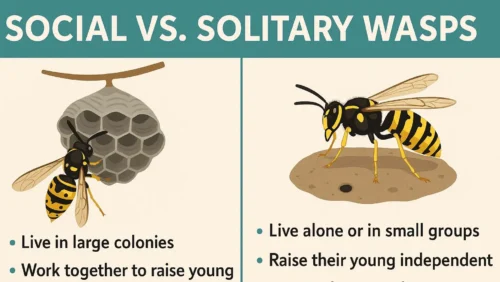
Comparison between social wasps with a queen

One of the biggest misconceptions about wasps is that every species lives in a large nest controlled by a queen. In reality, the wasp world is incredibly diverse, with more than 100,000 known species worldwide. Most of these species are actually solitary.

Social wasps live in organized colonies where different individuals perform specific tasks. These colonies operate much like small insect societies. A single queen wasp serves as the primary egg layer, while thousands of worker wasps perform the daily duties necessary to keep the colony alive.

Some species also produce reproductive males, often referred to as drone wasps, whose primary purpose is to mate with future queens.

The most familiar social wasps include yellowjackets, paper wasps, and hornets. These are also the species most likely to build nests near homes, garages, sheds, attics, and outdoor living spaces.

By contrast, solitary wasps do not live in colonies and have no queen-worker hierarchy. A solitary female performs every task herself. She builds a nest, captures prey, lays eggs, and provisions her offspring without assistance from other adults. Common examples include mud daubers, cicada killers, digger wasps, and great black wasps.

This distinction is important because it explains why some wasps appear highly aggressive when their nests are threatened. A social wasp colony has hundreds of workers willing to defend the queen and the developing brood. A solitary wasp, on the other hand, has little reason to attack humans because it has no colony to protect.
The Queen Wasp Life Cycle

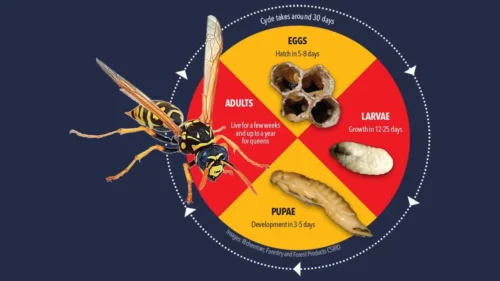
Queen wasp life cycle

The life of a queen wasp follows a remarkable seasonal cycle that repeats every year. Understanding this cycle helps explain why wasp activity changes dramatically from spring through autumn.

The story begins in late autumn. As temperatures drop, the existing colony starts producing future queens rather than additional workers. These newly developed queens mate with males before winter arrives. After mating, they search for protected locations where they can survive the cold months ahead. This survival process is known as overwintering.

Unlike worker wasps and males, which die as winter approaches, fertilized queens enter a dormant state similar to hibernation. They may hide beneath loose tree bark, inside wall voids, under roof shingles, inside sheds, or within other protected spaces.
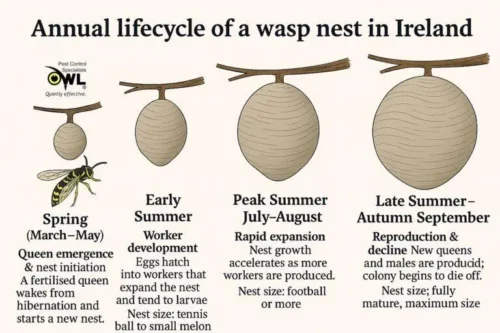
Nest founding

When spring temperatures rise, the foundress queen awakens and begins searching for a suitable nesting location. This stage is known as spring nest founding. At this point, she is completely alone. She must build the first nest cells, gather food, and lay eggs without any assistance.

The queen’s first batch of eggs develops into female worker wasps. Once these workers emerge, they assume responsibility for food gathering, nest construction, colony defense, and larval care. This allows the queen to focus almost exclusively on laying eggs.

Throughout the summer, the colony grows rapidly. Depending on the species, a mature colony may contain hundreds or even thousands of workers. During this time, the queen remains deep within the nest and rarely ventures outside.

By late summer and early autumn, the colony shifts its focus toward reproduction. New queens and reproductive males are produced. After mating, these future queens leave the colony and seek winter shelter, beginning the cycle all over again.

Interestingly, most social wasp colonies survive for only one season. The nest itself may remain visible, but the colony dies out, and only the newly fertilized queens survive to establish colonies the following year.
How to Identify a Queen Wasp

Many homeowners wonder whether they can identify a queen wasp simply by looking at it. While it is sometimes possible, identification can be more challenging than people expect.

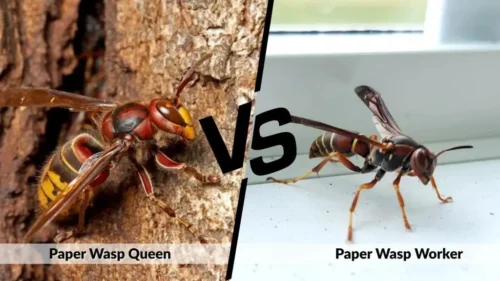
Generally speaking, queens are larger than workers of the same species. They possess a more robust abdomen because their bodies are specialized for egg production. This size difference is most noticeable during spring, when queens are often seen alone searching for nesting sites.

The answer to the common question “How big is a queen wasp?” depends on the species involved. In many cases, queens may be 15 to 30 percent larger than workers. For example, queen yellowjackets and queen hornets often appear noticeably thicker and longer than ordinary workers.

Behavior can also provide clues. A lone wasp inspecting roof eaves, attic vents, wall cracks, or sheltered corners in early spring is often a foundress queen searching for a place to establish a nest. During summer, however, queens rarely leave the colony, making them difficult to observe directly.

Coloration generally remains similar between queens and workers, so size and behavior are often the most reliable indicators. Unless you are looking at both individuals side by side, distinguishing a queen from a worker can be challenging even for experienced observers.

Wasp Queen vs Worker: What Is the Difference?

Queen wasp compared to worker wasp showing size

The relationship between a wasp queen vs worker is one of the most fascinating examples of specialization in the insect world.

The queen serves as the colony’s primary reproductive individual. Her main responsibility is laying eggs and ensuring the colony’s survival through future generations. She rarely participates in food gathering or nest defense once workers become available.

Worker wasps, by contrast, are sterile females. Although they are capable of stinging and defending the colony, they generally do not reproduce. Instead, they spend their lives gathering food, feeding larvae, constructing nest material, regulating nest temperature, and protecting the queen.

This division of labor allows social wasp colonies to grow rapidly and operate with remarkable efficiency. While the queen provides the colony’s reproductive engine, workers handle nearly every other task necessary for survival.

Many people assume the queen actively commands workers, but this is not entirely accurate. Colony organization is largely controlled through chemical communication, particularly pheromones, which influence worker behavior and maintain colony structure.
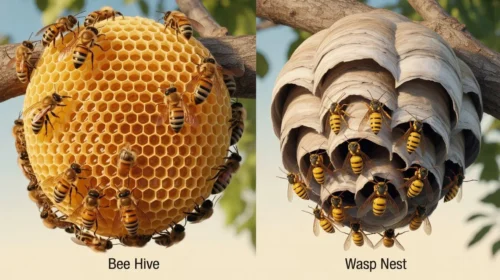
Queen Wasp vs Queen Bee: What's the Difference?

Comparison of queen wasp and queen bee

People often compare queen wasps to queen bees because both insects live in organized colonies with reproductive queens and worker females. However, there are several important differences between the two.

A queen bee typically remains inside the hive for most of her life and may survive for several years. Honey bee colonies are perennial, meaning they can survive through multiple winters. The queen continuously lays eggs while workers maintain the hive and store honey.

A queen wasp, on the other hand, usually lives for only one season. Most wasp colonies die off each autumn, leaving only newly fertilized queens to survive the winter. Unlike bees, wasps do not store honey to sustain a year-round colony.

Another major difference is nest construction. Bees build wax combs using wax secreted from their bodies, while wasps create paper-like nests by chewing wood fibers and mixing them with saliva. This is why paper wasps, yellowjackets, and hornets produce nests with a distinctive papery texture.

Behavior also differs significantly. Honey bees are primarily pollinators that feed on nectar and pollen. Wasps are predators and scavengers. Worker wasps often hunt caterpillars, flies, spiders, and other insects to feed developing larvae. This predatory behavior makes many wasp species valuable natural pest controllers.

Although both species have queens, the structure and purpose of their colonies are quite different.

Do Hornets Have a Queen Too?

Since hornets are actually a type of wasp, they follow the same colony structure. A hornet colony begins with a single foundress queen that emerges from winter hibernation and establishes a nest in spring.

The queen lays the first eggs and cares for the initial brood until workers emerge. Once worker hornets take over colony maintenance, the queen focuses entirely on reproduction. By late summer, a mature hornet colony may contain hundreds of workers defending the nest and caring for developing larvae.

Just like other social wasps, the colony dies during autumn, and only newly mated queens survive the winter.

This means that if you’re wondering whether hornets have a queen, the answer is absolutely yes.

Common Myths About Queen Wasps

There are many misconceptions surrounding queen wasps, and some of them can cause unnecessary concern among homeowners.

One of the most common myths is that killing a queen immediately eliminates an entire colony. While removing a queen early in spring can prevent a colony from becoming established, the situation is different once workers have emerged. By mid-summer, a colony may already contain hundreds of workers capable of continuing nest activities for a period of time.

Another widespread myth is that every large wasp is automatically a queen. In reality, many solitary wasps are naturally large insects and may appear queen-like despite having no colony at all. Species such as cicada killers and great black wasps are often mistaken for queens simply because of their size.

Some people also believe that queens actively command workers like a monarch directing subjects. The truth is far more complex. Colony behavior is regulated primarily through pheromones and instinctive responses rather than conscious leadership.

Another misconception is that old wasp nests are reused every year. In most cases, social wasps build new nests each spring. While new queens may establish nests near previous locations, the old colony itself does not return.

Understanding these myths can help homeowners make better decisions when encountering wasps around their property.

Why Queen Wasps Matter to the Environment

Although wasps are often viewed negatively because of their painful stings, they play a surprisingly important role in ecosystems.

A single wasp colony can capture thousands of pest insects during one season. Caterpillars, flies, aphids, beetles, and other agricultural pests frequently become prey for worker wasps. Without these natural predators, many insect populations would grow much more rapidly.

Certain wasp species also contribute to pollination. While they are not as efficient as bees, adult wasps frequently visit flowers for nectar and can transfer pollen between plants.

Because every colony begins with a single queen wasp, the survival of queens directly influences local wasp populations and the ecological services they provide. Although removing nests near homes is often necessary for safety reasons, wasps remain valuable members of natural ecosystems.

What Happens If You See a Queen Wasp Around Your Home?

Seeing a queen wasp during spring often means she is searching for a nesting site. This is one of the most important times of year for prevention.

A queen may inspect roof eaves, attic vents, sheds, garages, wall voids, decks, and outdoor structures. If she finds a suitable location, she may begin constructing the first cells of a new nest within days.

Homeowners who notice queens during spring have an opportunity to address potential nesting sites before colonies become established. Sealing cracks, repairing damaged screens, and removing attractive shelter locations can reduce the likelihood of nest formation.

By summer, however, queens are usually hidden deep inside active nests. At that stage, visible wasps around a property are almost always workers rather than queens.

Practical Wasp Prevention Tips

The best approach to wasp management is prevention rather than reaction. Social wasps are much easier to deter during spring than after a colony has fully developed.

Maintaining a well-sealed home exterior can significantly reduce nesting opportunities. Small gaps around soffits, vents, siding, utility penetrations, and rooflines often provide ideal locations for nest establishment.

Food sources also influence wasp activity. Open garbage containers, sugary drinks, fallen fruit, and outdoor pet food can attract foraging workers during summer. Keeping these attractants under control can reduce wasp traffic around patios and outdoor living spaces.

Regular inspections of sheds, decks, fences, and roof overhangs may help identify small nests before they become large colonies. Early detection is often the simplest way to prevent major infestations.

When Should You Call a Professional?

While a small early-season nest may sometimes be managed safely, large active colonies should generally be handled by professionals.

Social wasps defend their nests aggressively. Disturbing an established colony can trigger a coordinated defensive response involving dozens or even hundreds of workers. This risk is especially significant when nests are located in wall voids, attics, roof structures, or other difficult-to-access areas.

Professional Pest Control Toronto specialists have the equipment, training, and protective gear necessary to remove nests safely while minimizing risks to occupants and pets.

If a nest is located near entrances, play areas, patios, or heavily used sections of the property, professional removal is usually the safest option.

Conclusion

So, do wasps have a queen? The answer is yes, but only some species do.

Social wasps such as paper wasps, yellowjackets, and hornets depend on a single queen wasp to establish and maintain the colony. Every spring, a lone foundress queen emerges from winter shelter and begins the remarkable process of creating an entirely new colony from scratch. Through careful nest building, egg laying, and colony development, she becomes the foundation of a thriving insect society.

However, many wasps are solitary and never develop a queen-worker hierarchy. These species live independently and play valuable roles as predators and pollinators without forming large colonies.

Understanding the differences between social wasps vs solitary wasps, recognizing the wasp colony life cycle, and knowing how queens operate can help homeowners better identify wasp activity and make informed decisions about prevention and control.

What does a queen wasp do?

A queen wasp lays eggs and starts new colonies. Once workers emerge, her primary role becomes reproduction

Yes. Female queen wasps possess stingers and can sting if threatened.

Early in the season, colony development may stop. Later in the season, some colonies may continue temporarily but usually decline without a functioning queen.


Pests in Your Home?

Licensed pest control technicians near you, serving all Toronto neighbourhoods. Free inspection. Same-day service.

Free Estimate